From Passion Project to Paycheck: How Modders Are Building Real Income Without Selling Out

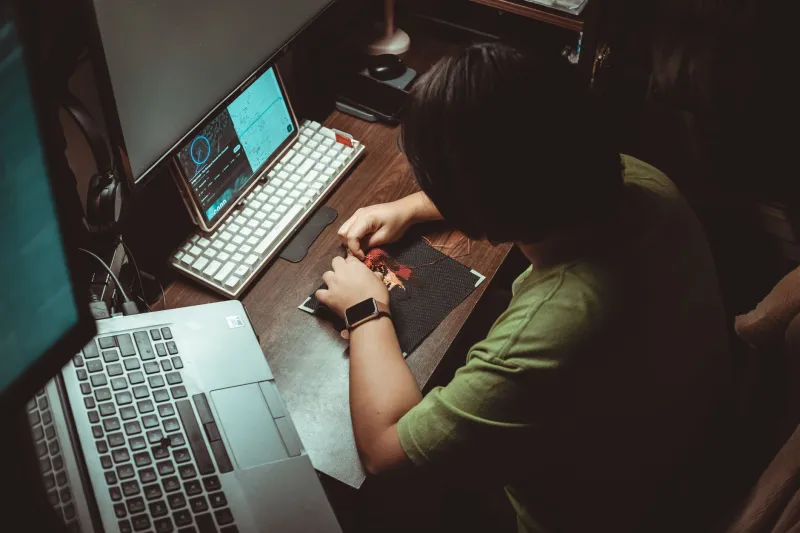
Not long ago, if you told someone you were making money from modding video games, you'd probably get a polite smile and a confused look. Modding was the domain of bedroom coders and obsessive fans — people who stayed up until 2 a.m. tweaking textures or rebuilding broken AI just because they could. Nobody expected a check at the end of it.
That's changed. And it's changed fast.
Today, a growing slice of the modding community is pulling in real, consistent income — not through shady workarounds or selling pirated content, but through platforms like Patreon, Ko-fi, and itch.io. The mod economy is real, it's expanding, and it's raising some genuinely interesting questions about creativity, ownership, and what it means to build something for a community you love.
The Shift Nobody Saw Coming
For years, modding existed in a kind of informal gift economy. You made something cool, you posted it on Nexus Mods or the Steam Workshop, and people downloaded it. If you were lucky, you got a comment saying "great work." That was basically the whole transaction.
But as platforms like Patreon matured and creator culture exploded, modders started paying attention. They watched streamers and YouTubers build subscriber bases. They saw fan artists selling prints and digital downloads. And they asked a pretty reasonable question: Why not us?
The answer, it turned out, was complicated — but not impossible.
"I started a Patreon mostly as a tip jar," says Marcus, a modder who goes by the handle VaultCraft and has built a dedicated following around his Fallout 4 overhaul projects. "I wasn't selling the mods. I was just giving people a way to say thanks. But once I started offering early access builds and behind-the-scenes dev logs as perks, the numbers actually started moving."
Marcus now earns a consistent monthly income from his Patreon — enough to cover his software subscriptions, a decent PC upgrade, and then some. He's careful to keep his public mod releases free. The paid tier is about access and community, not a paywall on the work itself.
Navigating the Legal Gray Zone
Here's where things get genuinely thorny. Mods are built on top of someone else's intellectual property. You're not making a game from scratch — you're working inside a world that Bethesda, CD Projekt Red, or some other studio created and owns. That creates a legal situation that's, at best, murky.
Most major publishers tolerate modding because it extends the life of their games and keeps communities engaged. But "tolerate" isn't the same as "endorse monetization." Bethesda's modding terms, for instance, explicitly prohibit selling mods directly. Valve's Workshop has its own complicated history with paid mods — anyone remember the 2015 paid mod experiment that lasted about 72 hours before the backlash killed it?
So how do successful modders thread that needle?
The short answer: they monetize around the mods, not the mods themselves. Patreon supporters aren't technically paying for a mod — they're supporting a creator and receiving perks like early access, exclusive dev updates, Discord roles, or tutorial content. The mod itself remains free. It's a distinction that sounds semantic but actually holds up legally in most cases, as long as creators aren't explicitly selling the copyrighted content.
"I'm very clear in my Patreon description," says Jenna, who creates elaborate UI overhauls for RPGs under the name PixelWitch Studios. "You're supporting my time and my work as a creator. The mods are always going to be free to download. That framing matters — for my audience and for staying on the right side of things."
Some creators go further, consulting with IP attorneys before launching their monetization setups. It's an investment, but for those earning several thousand dollars a month, it's worth the peace of mind.
Building Community Goodwill Without Losing It
One of the most interesting tensions in the mod economy is the culture around it. Modding communities have historically been fiercely anti-commercial. There's a deep-seated belief in many circles that mods should be free — that charging for them betrays the spirit of the whole thing.
Creators who've successfully monetized tend to acknowledge this head-on rather than ignoring it.
"When I first mentioned my Patreon in the comments of a release post, I got some pushback," Marcus admits. "People were worried I was going to start locking content. I had to be really transparent about what the Patreon was and wasn't. Over time, once people saw I kept releasing everything publicly, the attitude shifted."
That transparency seems to be the key ingredient. Modders who are upfront about their monetization model, who keep their core work accessible, and who stay genuinely engaged with their community tend to earn goodwill rather than resentment. The ones who fumble it are usually the ones who either oversell the paid tier or start treating free supporters like second-class users.
Ko-fi has become a favorite for creators who want something lower-stakes than Patreon — it's essentially a digital tip jar with the option to add paid memberships or shop items. For modders who aren't ready to commit to the subscription model, it's a gentler on-ramp.
The Tools Making It Work
Beyond the funding platforms, a whole ecosystem of tools has made it easier for modders to run what amounts to a small creative business. Discord servers double as community hubs and paid membership spaces. Notion and Trello help creators manage development roadmaps they can share with supporters. Even basic newsletter tools like Substack or Mailchimp let modders stay connected with their audience outside of platform algorithms.
Some creators have gotten creative with what they offer. Tutorial series teaching others how to mod, asset packs for other creators to use in their own projects, commissioned mod work for specific games — the revenue streams are diversifying beyond the simple "support me" model.
"I started doing mod commissions on the side," says Jenna. "Someone wants a specific UI tweak for their favorite game and doesn't have the skills to do it themselves. I can quote them a rate, do the work, and deliver it. That's just freelance work at that point — it happens to involve modding."
What This Means for the Broader Gaming World
The rise of the mod economy isn't just a feel-good story about hobbyists making rent money. It signals something bigger about where gaming culture is headed.
Publishers are watching. Some, like Paradox Interactive, have experimented with official modding monetization programs with mixed results. Others are quietly studying what the community is doing independently. The question of whether the industry will ever create a truly fair, structured system for compensating modders — without the backlash that killed Valve's 2015 attempt — remains open.
For now, the creators who are making it work are doing it on their own terms. They're building audiences, setting boundaries, navigating legal complexity, and figuring out how to get paid for genuine skill and creative labor. That's not so different from what any independent creator is doing in 2024.
The mod economy isn't a revolution. It's more like a quiet negotiation — between creators and communities, between passion and practicality, between building something for love and needing it to pay the bills. And from where we're sitting, it looks like a negotiation a lot of people are starting to win.