They Said It Was Dead: The Unexpected Second Lives of Gaming's Most Cancelled Projects
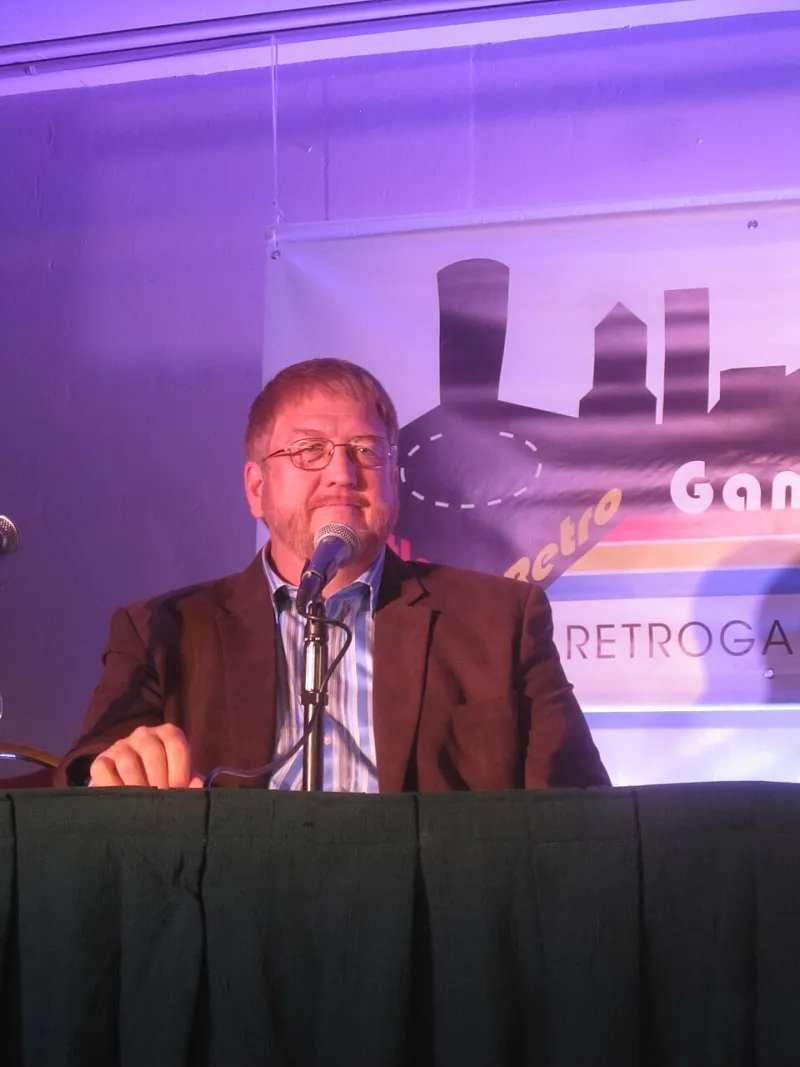
Photo: Joe Grand from San Francisco, CC BY-SA 2.0, via Wikimedia Commons
The Graveyard Keeps Emptying Out
There's a particular kind of grief that hits gamers when a beloved project gets cancelled. You've watched the trailers, read the dev blogs, maybe even pre-ordered — and then one day there's a press release written in corporate non-language that basically says: this is over, please move on. For years, that was the end of the story.
Except lately, it isn't.
Somewhere between the rise of crowdfunding platforms, a total reshuffling of publisher priorities, and a gaming audience that apparently never forgets anything, cancelled and abandoned games are coming back at a rate that would've seemed absurd a decade ago. We're not just talking about remasters of stuff that sold well the first time. We're talking about projects that were genuinely buried — sometimes for twenty-plus years — suddenly getting announcements, Kickstarter pages, or spiritual successors that carry the torch with zero corporate backing.
So what actually changed?
Crowdfunding Rewrote the Risk Equation
The short answer is that Kickstarter happened, and the industry hasn't been the same since. When Double Fine launched its adventure game campaign back in 2012 and raised over three million dollars in a month, it wasn't just a feel-good story — it was a proof of concept that rattled every publisher boardroom paying attention.
Suddenly, the math on niche projects looked different. A game that a major publisher might reject because it couldn't hit mainstream sales projections could absolutely sustain itself if the right audience showed up early and loud enough. The audience, it turned out, was often there. They'd just never been asked directly.
That dynamic opened a door for developers sitting on old cancelled projects or dormant IP they'd always wanted to revisit. Instead of pitching to a gatekeeper who needed to see blockbuster potential, they could pitch directly to the people who already cared. That's a fundamentally different conversation — and it's one that keeps producing results.
Games like Bloodstained: Ritual of the Night exist precisely because of this shift. Koji Igarashi spent years away from the kind of gothic, exploration-driven design that made him famous, not because the demand wasn't there, but because the traditional funding model couldn't see it clearly. Crowdfunding made the demand visible in dollar form, and suddenly the project was viable.
Publishers Are Sitting on More IP Than They Know What to Do With
Here's something that doesn't get talked about enough: major publishers are hoarding enormous libraries of dormant franchises they acquired through mergers, buyouts, and years of corporate consolidation. Most of that stuff just sits there, generating nothing.
As the gaming landscape has gotten more competitive and the cost of developing big-budget titles has ballooned to almost comical levels, some publishers have started looking at their dusty IP libraries differently. Licensing deals, smaller internal revival projects, and partnerships with indie studios have all become more attractive options when the alternative is sinking hundreds of millions into another franchise entry that might not land.
For developers who've been knocking on doors for years trying to revive something they care about, this shift has cracked open opportunities that simply didn't exist before. The publisher still owns the name, but they're more willing to negotiate than they used to be — especially if someone else is willing to take on most of the financial risk.
The Spiritual Successor Loophole
Of course, not every resurrection comes with the original name attached. Sometimes the IP is locked up tight, or the relationship with the original publisher is too complicated to untangle, or the developer just decides it's cleaner to start fresh. That's where the spiritual successor comes in.
The spiritual successor has become one of the most interesting creative spaces in modern gaming. It's a genre unto itself — games that wear their influences so openly they practically come with a footnote. Yooka-Laylee was basically a love letter to Banjo-Kazooie signed by the people who made Banjo-Kazooie. Mighty No. 9 tried to be Mega Man without being able to say Mega Man. The results are mixed, but the impulse is real and the appetite from players is genuine.
What's interesting is how the audience has evolved in its relationship with this format. Early spiritual successors sometimes got criticized for being too derivative, too obviously just the old thing with a new coat of paint. But over time, both developers and players have gotten more comfortable with the concept — accepting that sometimes the point is to recapture something specific, and that's okay. Not every game needs to reinvent the wheel.
The Community Factor Nobody Saw Coming
Maybe the biggest driver of all this, though, is something that has nothing to do with business models or IP licensing. It's the fact that gaming communities have become extraordinarily good at keeping interest alive long after official support ends.
Fan wikis, Discord servers, YouTube retrospectives, speedrunning communities, modding scenes — all of these things keep cancelled and abandoned games in active conversation years or decades after they were supposed to disappear. When a developer finally does come back to an old project, they're not rebuilding an audience from scratch. That audience has been maintaining itself, sometimes growing, the whole time.
This changes the calculus for revival projects significantly. The marketing challenge is smaller. The core community is already organized and vocal. Getting the word out is less about convincing people to care and more about showing up to a party that's already been going on without you.
Why Now Feels Different
If you'd asked most industry observers ten years ago whether we'd see this many cancelled and dormant projects get second chances, the answer would probably have been skeptical. The conventional wisdom was that publishers controlled the pipeline, mainstream tastes ruled the market, and niche projects stayed niche at best.
What nobody fully anticipated was how dramatically the distribution landscape would shift. Digital storefronts lowered the barrier to release. Subscription services created new revenue pathways for smaller titles. Social media let passionate communities punch well above their weight in terms of generating buzz. And a generation of players raised on retro gaming developed a genuine, lasting attachment to older franchises that mainstream culture kept writing off as nostalgia bait.
The games industry is still figuring out what all of this means long-term. But for anyone who ever watched a beloved project get cancelled and felt that specific, gut-punch kind of disappointment — the current moment is genuinely remarkable. The graveyard has a revolving door now, and it's swinging open more often than anyone expected.
Maybe nothing is really dead anymore. Maybe some things just take longer to come back.