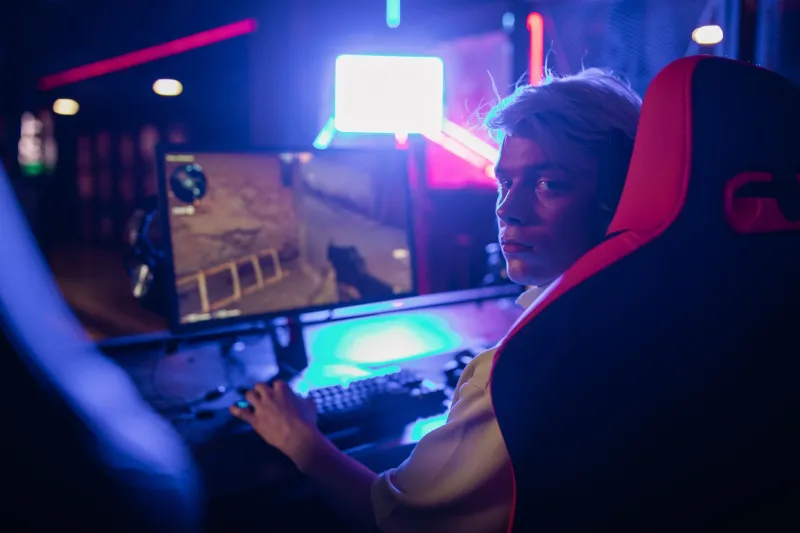
No Studio, No Problem: How AI Tools Are Handing the Keys to Indie Game Creators
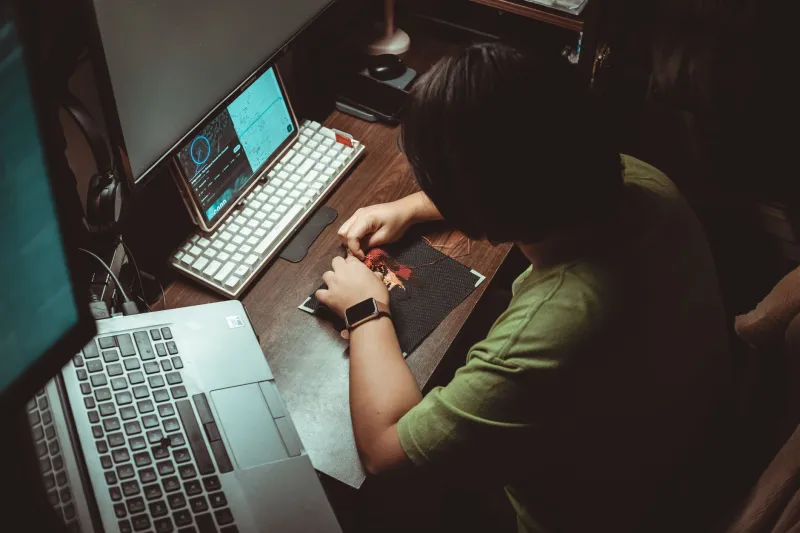
For most of gaming's history, the barrier between "person who loves games" and "person who makes games" was enormous. You needed a team. You needed funding. You needed connections that most people simply didn't have. The dream of building your own world from a bedroom felt about as realistic as walking into EA headquarters and asking for a job.
That gap is closing fast — and AI is doing most of the heavy lifting.
The Old Wall Just Got a Wrecking Ball
Traditionally, game development required specialists. Artists, animators, sound designers, writers, programmers — a full studio roster just to ship something halfway decent. Even the indie boom of the early 2010s, which gave us gems like Stardew Valley and Undertale, still demanded years of solo grinding or a small committed team with overlapping skills.
What's different now is the toolbox. Platforms like Midjourney, Stable Diffusion, and Adobe Firefly are letting solo creators generate production-quality concept art and textures in minutes. Tools like Meshy and Luma AI are converting 2D images into 3D assets. Suno and Udio are producing original game soundtracks from a text prompt. And on the code side, GitHub Copilot and similar AI assistants are helping developers write and debug faster than ever before.
The result? A single person with a laptop, a subscription or two, and a genuine creative vision can now produce something that looks — and plays — like it had a real budget behind it.
Real Creators, Real Results
Take Marcus Webb, a 26-year-old from Columbus, Ohio, who launched his first commercial game last year after two years of weekend development. His pixel-art RPG, built almost entirely with AI-assisted asset generation and an AI music tool, cleared $40,000 in its first month on Steam.
"I had zero art background," Webb says. "Before these tools existed, I would've had to either learn to draw for three years or hire someone. Now I can describe exactly what I want and iterate in real time. It's like having a creative collaborator who never sleeps."
He's not alone. Across Reddit communities like r/gamedev and r/indiegaming, stories like his are multiplying. Small teams of two or three people are shipping games with visual fidelity that would've required a full art department five years ago. Solo developers are releasing soundscapes that rival licensed game scores. The ceiling on what one motivated person can produce has been raised dramatically.
Jamila Torres, a narrative designer from Austin who recently released a visual novel through itch.io, put it bluntly: "The gatekeepers are gone. You don't need to know the right people or have gone to a fancy game design school. You need a good idea and the willingness to learn the tools."
The Industry's Uncomfortable Reaction
Not everyone is celebrating. The rise of AI-assisted development has triggered a complicated — and sometimes heated — response from established corners of the gaming world.
Professional game artists and composers have raised legitimate concerns about their livelihoods. If a solo dev can generate a full set of character sprites in an afternoon, what happens to the freelance illustrator who used to get that contract? It's a real tension that doesn't have a clean answer, and it's fueling ongoing debates across creative communities online.
Larger studios are also watching nervously. Some are quietly integrating AI tools into their own pipelines while publicly saying very little. Others are pushing back, with certain developers pledging to remain "AI-free" as a marketing distinction — betting that a segment of players will pay a premium for work they know came from human hands.
There's also a quality control conversation happening in real time. Not every AI-assisted game is good. The lower barrier to entry means the market is getting noisier. Steam's catalog is already famously cluttered, and some critics worry that a flood of AI-generated asset flips — low-effort games built by reselling AI outputs — will make it harder for genuinely creative projects to get noticed.
The Community Angle Nobody's Talking About
Here's what often gets lost in the debate: for gaming communities, this shift is genuinely exciting.
Fan projects that were previously impossible — full remakes of beloved classics, spiritual successors to cancelled games, entirely new genres that niche audiences have been begging for — are suddenly within reach. The kinds of games that major publishers would never greenlight because the market is "too small" are exactly the games that passionate bedroom developers are now building.
Online communities are also forming around the process itself. Discord servers dedicated to AI-assisted game development are thriving, with creators sharing workflows, troubleshooting prompts, and holding each other accountable through dev logs. It's collaborative in a way that the old solo-dev grind rarely was.
For the NexPlay Hub community specifically, this represents something worth paying attention to. The games that tend to resonate most deeply with passionate players — the weird ones, the personal ones, the games that feel like someone poured their whole personality into them — are exactly the kind that a resourceful solo creator with the right tools can now produce.
What Comes Next
The honest answer is that nobody fully knows. AI development tools are evolving at a pace that makes predictions feel almost silly. What's cutting-edge today might be obsolete in eighteen months.
What does seem clear is that the conversation around who gets to make games has fundamentally shifted. The old gatekeeping model — where your game either got greenlit by someone with money or it didn't get made — is no longer the only path. That's worth something, regardless of where you land on the broader AI debate.
For every legitimate concern about displaced artists or flooded markets, there's a 19-year-old in a small town somewhere who just shipped their first game because the tools finally caught up to their imagination. That's a version of gaming culture worth rooting for.
The bedroom developer era isn't coming. It's already here.