When the Stream Ends: The Messy Reality of Breaking Up With a Creator You Loved
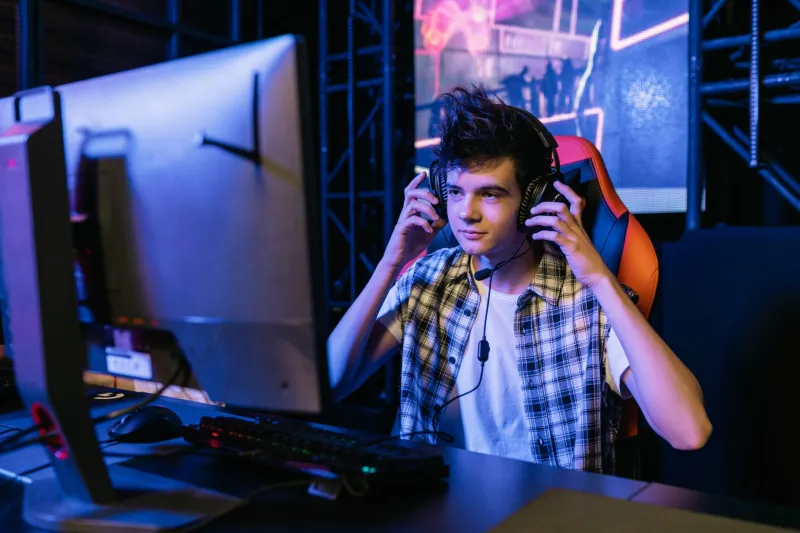
There's a specific kind of grief that doesn't have a name yet. It's the feeling you get when you open Twitch, hover over a channel you've supported for three years, and realize you just... can't click play anymore. Not because the content got worse. Not because the streaming schedule changed. But because something the creator said — about politics, about a social issue, about the kind of world they want to live in — made you see them differently. Permanently.
This is the great unfollow. And in gaming culture right now, it's happening constantly.
The Relationship That Wasn't a Relationship (Except It Kind of Was)
Let's be honest about what parasocial relationships actually are before we judge anyone for having them. When you watch the same person stream five nights a week, hear their voice while you're cooking dinner, laugh at their takes during your commute, and follow their life updates between sessions — that's intimacy, even if it only flows one direction. Your brain doesn't really distinguish between a friend you've known for years and a creator you've consumed for the same amount of time. The emotional architecture looks almost identical.
Psychologists have been studying this for decades, but gaming and streaming culture has turbocharged the phenomenon in ways nobody fully anticipated. Unlike a musician or an actor, a streamer isn't performing a character. They're performing themselves — their genuine reactions, their real opinions, their actual sense of humor. That authenticity is the whole product. Which means when something about them turns you off, there's no fictional layer to hide behind.
You're not rejecting a character. You're rejecting a person. One you thought you knew.
The Political Pressure Cooker
Gaming has never been purely apolitical — anyone who tells you otherwise is selling something — but the last several years have cranked the temperature up significantly. Conversations about representation, about labor rights in game development, about who gaming spaces are actually built for, have moved from the margins to the main feed. Streamers increasingly can't stay in a comfortable neutral zone without that neutrality itself becoming a statement.
Some creators lean into it. They build audiences specifically around shared values, and their communities become tightly aligned ideological spaces. Others try to keep the politics out, which works until it doesn't. A single clip going viral, a statement made during a heated live chat, an offhand comment about a news event — any of it can become the moment that reshapes how a longtime viewer sees someone.
And here's the uncomfortable truth gaming communities are wrestling with: the moment you know a creator's politics, you can't un-know them. The parasocial relationship was built on a version of that person you constructed in your head. Once reality updates that version, the old one doesn't come back.
The Sunk Cost of Fandom
One of the most psychologically interesting parts of this whole dynamic is how hard people fight against the unfollow, even when they've already made up their mind. The sunk cost of fandom is real. Years of shared in-jokes, community events, subscriber anniversaries, and moments of genuine connection don't evaporate just because someone posted something that landed wrong.
A lot of viewers spend weeks, sometimes months, in a kind of limbo — still watching out of habit, muting the political stuff, trying to segment the entertainer from the person. Some manage it. Others find the cognitive dissonance too exhausting to maintain. "I kept telling myself I was watching for the gameplay," one Reddit user wrote in a gaming community thread that racked up thousands of upvotes. "But every time they talked I was just waiting for something else to set me off. At some point that's not entertainment anymore."
That shift — from genuine enjoyment to anxious monitoring — is often the real signal that the relationship has already ended. The unfollow is just paperwork.
The Community Fracture Nobody Talks About
When a creator gets political and the audience splits, the fallout doesn't stay contained to the creator-viewer relationship. It ripples through the entire community that formed around that streamer. Discord servers fracture. Subreddits get contentious. Long-time community members who disagree about the creator's take end up disagreeing about each other.
This is one of gaming culture's least-discussed growing pains. The communities built around creators are often the most valuable part of the whole ecosystem — the friendships formed in those spaces, the shared history, the inside references that span years. When a creator becomes politically polarizing, they don't just lose viewers. They destabilize the social architecture that formed around their work.
Some communities survive it by explicitly separating the creator from the community itself. The server keeps running, the friendships hold, even after the original reason everyone showed up stops being something everyone can agree on. Others don't make it. The creator was the load-bearing wall, and when the trust cracked, the whole structure came down.
Ethics, Entertainment, and the Question Nobody Wants to Answer
At some point, the unfollow question becomes a genuine ethical one, and that's where things get genuinely complicated. There's a meaningful difference between unfollowing someone because their politics make you uncomfortable and unfollowing someone because their actions or statements caused real harm to real people. Both get described the same way — "I had to stop watching" — but they're not the same thing.
Gaming culture has a complicated history with accountability. The community has, at various points, both over-corrected and dramatically under-corrected when creators behave badly. The political unfollow sits in this messy middle ground where the harm isn't always clearly defined, the offense is often a matter of values rather than actions, and reasonable people can and do disagree about where the line is.
What's harder to dismiss is the emotional reality on the viewer's side. Whether the reason is a serious ethical concern or a values mismatch, the grief of losing a creator you loved is legitimate. That's not parasocial delusion — that's just what happens when something that mattered to you stops being something you can enjoy.
Moving On (And What Comes Next)
The gaming and streaming landscape is enormous. For every creator you stop watching, there are dozens you haven't found yet. That's genuinely true, and it's not a dismissal of how hard the unfollow can feel. It's just the reality of a media ecosystem that keeps expanding.
What's shifting is that audiences are becoming more intentional about who they invest in. The days of passively accumulating subscriptions and follows without thinking about the values behind them are fading. People are asking different questions before they build emotional equity in a creator: What does this person actually believe? How do they treat their community? What happens when things get complicated?
That's not cynicism. That's experience. And in a culture where the parasocial bond has become one of the primary ways people connect with entertainment, learning to navigate it thoughtfully might be the most important skill gaming communities develop in the next decade.
The stream doesn't have to end badly. But sometimes, closing the tab is the most honest thing you can do.