Quiet Hustlers: The Underground Economy Powering Gaming's Most Passionate Communities

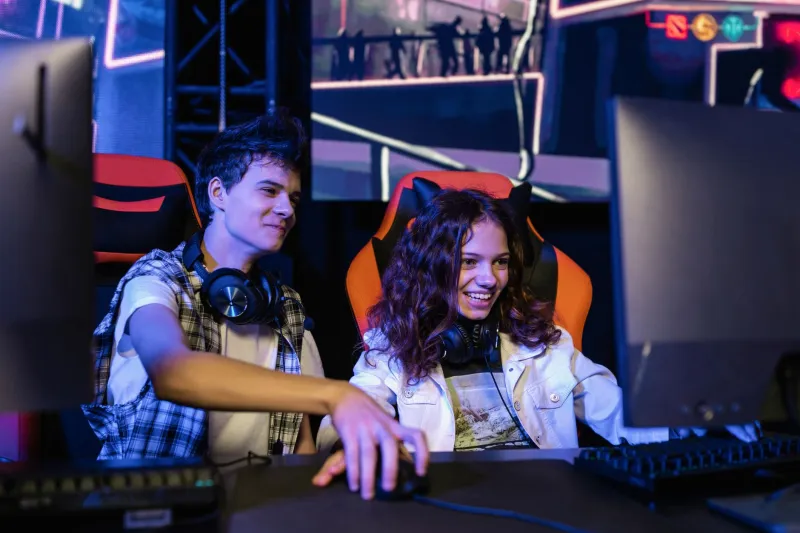
Photo by Photo by Fredrick Tendong on Unsplash on Unsplash
If you spend enough time scrolling through gaming news, you'd be forgiven for thinking the only way to make money in this industry is to either work at a major studio or become a full-time streamer with a six-figure subscriber count. That's the story the spotlight loves to tell. But spend a weekend poking around Discord servers, niche subreddits, and gaming forums that haven't made the front page of anything — and you'll find a completely different economy quietly doing its thing.
It doesn't look flashy. There are no brand deals, no merch drops announced with countdown timers. But it's real, it's growing, and for a lot of dedicated gamers across the US, it's become a meaningful source of income — sometimes even a primary one.
The Mod Market Nobody Talks About
Let's start with modding, because the financial layer hiding underneath it is genuinely wild once you see it.
Most casual players know mods exist. Maybe they've downloaded a texture pack or grabbed a quality-of-life fix for a Bethesda game. What they probably don't realize is that behind those free uploads sits a whole secondary market for custom tools, premium mod commissions, and specialized assets that players pay for directly — often through Patreon, Ko-fi, or simple PayPal arrangements that never touch any official platform.
Take the Skyrim modding community, which is still, somehow, thriving in 2024. Some of the most technically skilled modders are quietly pulling in hundreds — occasionally thousands — of dollars a month from supporters who want exclusive early access, custom work, or just to keep their favorite creator going. The same dynamic plays out in games like Stardew Valley, Minecraft, and even older titles with deeply committed fanbases. It's not universal, and it's not always stable, but it's far more widespread than gaming outlets tend to acknowledge.
What makes it interesting from a community standpoint is the trust infrastructure that's developed around it. These transactions don't happen through verified storefronts with buyer protection. They happen because someone has been around long enough, built enough of a reputation, and earned genuine goodwill from the people who follow their work. That's a different kind of economy — one built on relationships rather than algorithms.
Coaching Networks Running on Discord
If the mod market is the quiet economy's creative side, Discord-based coaching networks are its service sector.
Competitive gaming has always had a skills gap — the distance between someone who plays a lot and someone who actually understands the game at a strategic level. For years, closing that gap meant either watching endless YouTube breakdowns or hoping to find a generous veteran in your ranked queue. Now there's a more direct option: pay someone who genuinely knows what they're doing to coach you one-on-one.
This isn't new, but the scale at which it's happening inside niche community servers is. Games like Valorant, League of Legends, Rocket League, and even older titles like StarCraft II have active coaching ecosystems where experienced players charge anywhere from $20 to $150 per session. Some have built out full operations — tiered packages, group sessions, VOD reviews, monthly memberships. All of it coordinated through Discord, all of it word-of-mouth within communities that already trust each other.
What's notable is how little of this surfaces in mainstream gaming coverage. There are no press releases. Nobody's pitching a feature story about a guy in Ohio who coaches Rocket League players on weekends and makes enough to cover his car payment every month. But that guy exists, and there are a lot more like him than most people realize.
Community Tournaments With Real Stakes
Then there are the tournaments — and this is where the numbers start to get genuinely surprising.
Organized esports gets plenty of coverage when we're talking about major league events with corporate sponsors. What gets almost no attention is the layer below that: community-run tournaments organized by dedicated players, funded through entry fees and donations, with prize pools that sometimes reach five figures.
Fighting game communities have been doing this for decades, and the tradition is deeply embedded in how those scenes operate. But it's expanded well beyond Street Fighter and Tekken. Shooters, strategy games, even some indie titles with competitive scenes have grassroots tournament circuits running entirely outside official publisher infrastructure. Platforms like Battlefy and Challonge provide the brackets; Discord provides the coordination; the communities provide the energy and the money.
For the organizers, there's often a modest cut that compensates for the real labor involved — scheduling, dispute resolution, promotion, technical troubleshooting. For top players, recurring tournament winnings can add up meaningfully over a competitive season. For the communities themselves, these events create a kind of economic heartbeat that keeps engagement high and gives players something to grind toward.
Why the Mainstream Missed It
So why hasn't this gotten more coverage? A few reasons, honestly.
First, it's genuinely hard to quantify. These transactions are distributed across dozens of platforms, often informal, and the people involved aren't exactly issuing press releases. There's no central database tracking how much the modding economy generates annually or how many Discord coaching sessions happen in a given month. Journalists covering gaming tend to gravitate toward stories with clean data and quotable executives — neither of which this world offers.
Second, there's a certain invisibility by design. A lot of the people making money this way prefer it that way. They're not trying to build a brand or attract attention from publishers who might suddenly decide to crack down on commission-based mod work. Staying under the radar is a feature, not a bug.
Third — and this is maybe the most interesting part — traditional gaming media is still largely structured around covering products and personalities. A quiet economy built on community trust and niche expertise doesn't fit neatly into either category. It's not a game release. It's not a streamer's rise-and-fall arc. It's just people figuring out how to get paid for what they're genuinely good at, inside communities that value what they do.
The Bigger Picture
What this all points to is something worth sitting with for a minute: gaming communities have quietly developed economic ecosystems that function on principles pretty different from the ones dominating the broader digital economy. No algorithmic gatekeeping. No platform taking a 30% cut. No follower count requirement to be taken seriously.
Reputation matters. Consistency matters. Actually being good at the thing you're offering matters.
That's not to romanticize it — there are real risks in informal markets, and not everyone thrives in them. But there's something genuinely compelling about the fact that inside games and the communities built around them, people have found ways to create real value for each other without waiting for permission from any platform or publisher.
The streaming spotlight will keep doing its thing. But the quieter economy underneath it? It's already here, it's already working, and it's building something that might outlast a lot of what's currently getting all the attention.