Swipe Left on Your Game Library: Why Gamers Are Quitting Titles Before the First Patch Drops
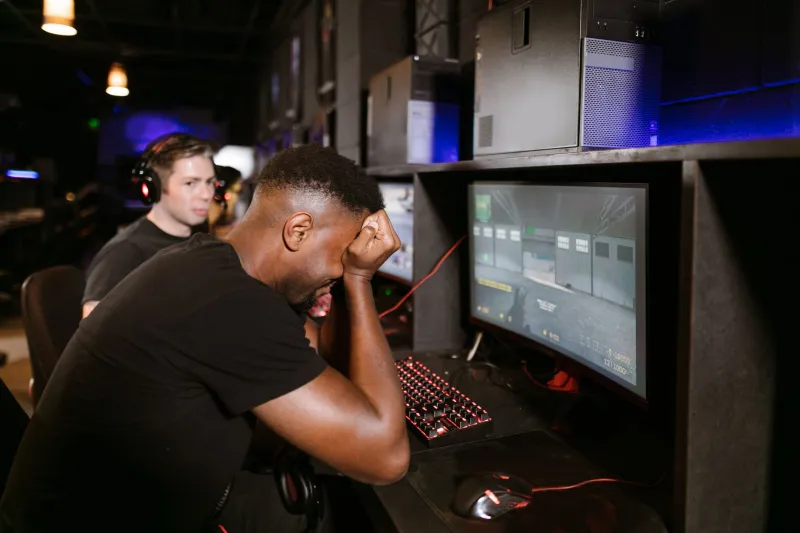
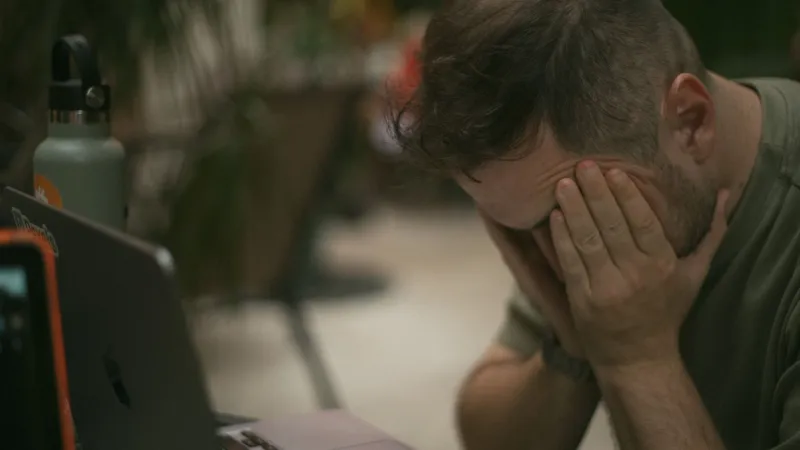
There's a moment a lot of gamers know intimately. You've been hyped for a title for months. Launch day arrives, you drop anywhere from $40 to $70 on it, grind through the first few hours — and then something shifts. The excitement dulls. The grind starts to feel like homework. Before the developer even pushes the first major update, you've already moved the icon to your desktop trash. Sound familiar?
This isn't just an anecdote. It's a pattern that's reshaping how the entire games industry operates — and nobody seems to have a clean answer for why it's accelerating so fast.
The Numbers Don't Lie (And They're Kind of Brutal)
Retention data across live-service games has been quietly alarming publishers for the better part of three years. Industry analysts tracking player engagement on platforms like Steam and console storefronts have noted that a growing percentage of players log fewer than five hours in a title before abandoning it entirely. For games designed around 100-plus-hour content cycles, that's essentially a first-date ghosting situation at scale.
Some community managers — the people whose entire job is keeping player bases engaged and vocal — are feeling this pressure acutely. One community manager for a mid-size live-service studio (who asked to remain anonymous because they weren't authorized to speak publicly) put it bluntly: "We used to plan content cadences around three-month cycles. Now we're being asked to justify why players aren't sticking around past week two. The math doesn't even make sense anymore."
The problem isn't just that games are launching unfinished — though that's certainly part of it. It's that players have fundamentally recalibrated what they're willing to tolerate before they bounce.
Live-Service Fatigue Is a Real Diagnosis
The live-service model promised a win-win: developers get steady revenue, players get a game that keeps evolving. What nobody fully accounted for was the psychological weight that comes with a game that never actually ends.
Dr. Naomi Castillo, a behavioral psychologist based in Austin who studies digital engagement patterns (and yes, is an avid gamer herself), describes what she calls "perpetual obligation anxiety" — the stress players feel when a game's design language communicates that logging off means falling behind. "Live-service games are engineered to make you feel like you're always one session away from missing out," she explains. "For a lot of players, especially adults with jobs and families and limited free time, that pressure doesn't feel like fun. It feels like a second job they didn't apply for."
When the fun-to-obligation ratio tips too far in the wrong direction, players don't push through. They quit. And increasingly, they don't come back.
Content Drought Anxiety Is Making It Worse
Here's the cruel irony: even when live-service games are actively pumping out updates, players are abandoning them during the quiet gaps. The cadence of content drops has trained audiences to expect constant novelty, and any lull — even a brief one — now reads as a sign that a game is "dying."
This perception, accurate or not, becomes self-fulfilling. Communities on Reddit, Discord servers, and forums start posting "is this game dead?" threads the moment engagement metrics dip. Those posts get traction. New players see them and hesitate to invest time. Veterans interpret the declining chatter as confirmation of their fears and start drifting to whatever's next. The exodus compounds itself.
Long-time forum members at communities across the gaming web have started calling this the "death spiral scroll" — the habit of checking a game's subreddit for activity before deciding whether to log in. If the posts look sparse or negative, the session just doesn't happen.
The Expectation Shift Nobody Planned For
Beyond fatigue and anxiety, there's something deeper happening with player expectations. A generation of gamers raised on an era of genuinely massive, endlessly replayable titles — think the cultural footprint of something like Minecraft or the staying power of certain competitive shooters — has developed a mental benchmark that most new releases simply can't meet on arrival.
Combine that with a market flooded by Game Pass, PlayStation Plus, and similar subscription services, and the calculus around individual game investment changes entirely. When you have access to hundreds of titles for a flat monthly fee, the psychological cost of quitting something drops to almost zero. There's no sunk-cost pressure to stick it out through a rough opening act. You just move on.
"Subscription culture basically removed the guilt from quitting," says Marcus Webb, a 34-year-old IT professional from Columbus, Ohio, who estimates he's "seriously played" fewer than a dozen of the 60-plus games he's tried across Game Pass in the last two years. "I used to feel bad leaving a game. Now? There are five more waiting. Why suffer through something that's not clicking?"
Are Developers Adapting — Or Just Panicking?
The industry response has been... uneven. Some studios are leaning harder into FOMO mechanics — more limited-time events, more battle pass urgency, more login streaks. Behavioral psychologists like Dr. Castillo argue this is exactly the wrong move. "You're essentially responding to players saying 'this feels like too much pressure' by adding more pressure. That's not a retention strategy. That's a churn accelerator."
Other developers are experimenting with what some in the industry are calling "respectful design" — games that acknowledge players have lives outside of gaming. Shorter session lengths, pausable progression, no-punishment offline periods. It's a quieter trend, but it's gaining traction in indie spaces and even a few larger studios that have watched their engagement numbers crater hard enough to force a philosophical rethink.
The community management side of the equation is evolving too. Rather than purely chasing metrics, some teams are investing more in the social infrastructure around their games — fostering Discord communities, supporting fan-created content, and treating long-term players as partners rather than retention statistics.
What This Actually Means for Us as Players
Here's the honest take: the great game abandonment isn't really about games being bad. Plenty of the titles getting uninstalled are technically solid. It's about a mismatch between what the industry built and what players' lives actually look like in 2024 and beyond.
We have less time, more options, lower tolerance for friction, and a much sharper sense of when something is designed for us versus designed to extract something from us. That instinct isn't a bug in the player base. It's a feature.
If developers want to earn the kind of loyalty that keeps a community breathing for years — the kind you see in games that become genuine cultural touchstones — the answer probably isn't more content for content's sake. It's building something that respects the player enough to let them leave and actually want to come back.
The games that figure that out? Those are the ones that'll still have active servers when everything else has gone quiet.